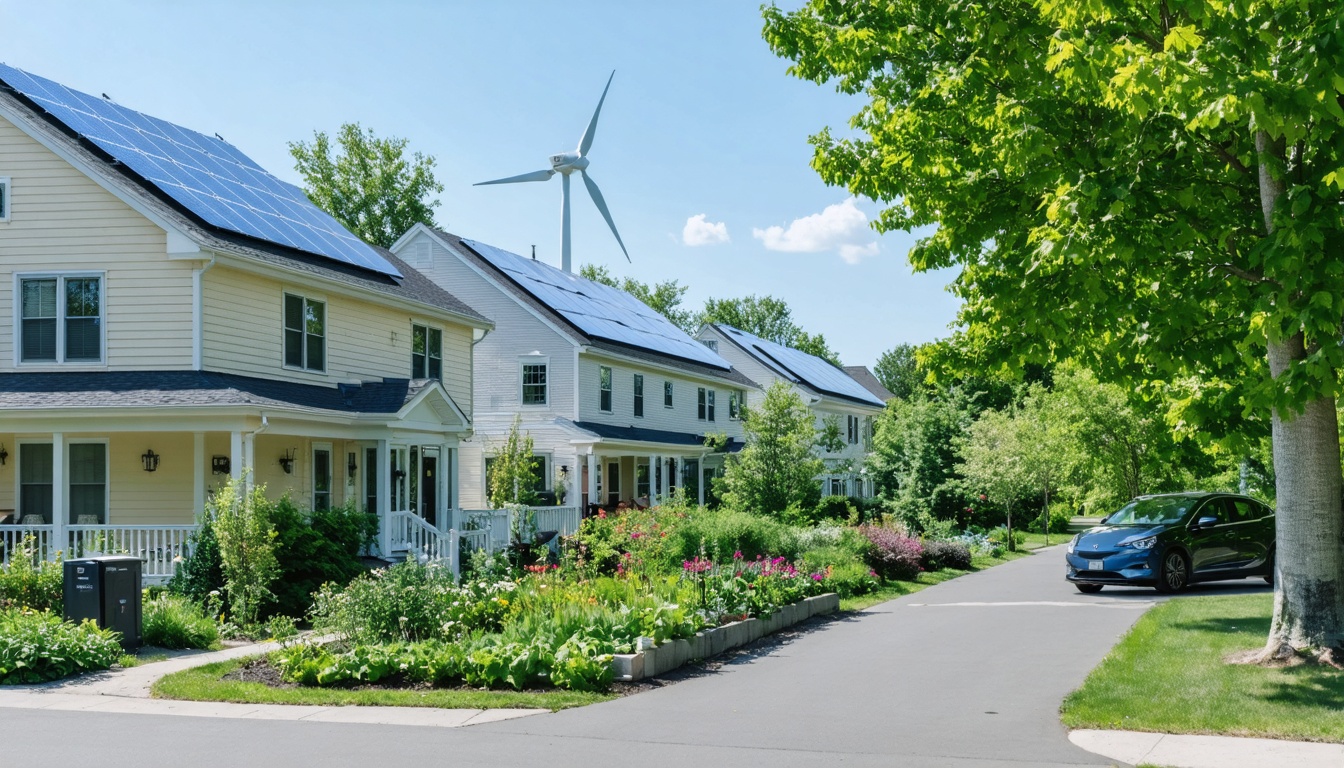
What a More Resilient Home Energy Plan Looks Like in Springfield, Massachusetts
Springfield residents are increasingly aware of the impact that weather patterns and aging infrastructure have on their energy consumption. Enhancing the resilience of home energy systems can ensure consistent comfort during adverse weather conditions or grid disruptions. A comprehensive approach that includes energy efficiency improvements, technology upgrades, and strategic planning can mitigate risks associated with fluctuating energy costs and power outages. Investing in energy-efficient appliances and insulation can reduce overall energy consumption and lower costs. Moreover, incorporating renewable energy sources, such as solar panels, can further enhance energy independence and stability. Battery storage systems also provide backup power during outages, allowing for greater reliability. Furthermore, considering the integration of smart home technologies can facilitate better energy management. Smart thermostats, for example, can optimize heating and cooling patterns, leading to increased efficiency. These changes not only improve the resilience of home energy systems but also contribute to long-term sustainability goals. Homeowners should assess their current energy usage, explore available technologies, and consider the potential benefits of adopting a more resilient energy plan for their homes.
Climate Action and Resilience Strategies
Springfield is currently addressing challenges related to climate change through its Climate Action and Resilience Plan. This plan outlines several measures aimed at promoting sustainability within the city. Under the guidance of Mayor Sarno, energy efficiency is being prioritized across various sectors, including municipal buildings, businesses, and residential properties.
Key initiatives include the upgrading of outdated lighting systems and the use of thermal imaging technology to identify heat loss in single-family homes. These improvement programs are designed to enhance energy efficiency, which has the potential to lower operational costs and reduce environmental impact over time.
The plan emphasizes the importance of community collaboration, highlighting that collective efforts can improve the efficiency of Springfield’s main streets and educational institutions. Residents and business owners are encouraged to participate in the available services, which are part of a broader million-dollar initiative focused on home and business improvements throughout the city.
In conclusion, Springfield's Climate Action and Resilience Plan provides a structured framework for addressing climate-related challenges while promoting energy conservation and community engagement.
No-Cost Home Energy Assessment Options
Homeowners in Springfield can reduce energy waste without incurring upfront costs through local partnerships aimed at enhancing energy efficiency. Various organizations provide no-cost home energy assessments designed to identify inefficiencies in residential properties. By participating in municipal programs such as ener-G-save and Solar Installation Services in Springfield, homeowners can obtain data regarding areas where heat loss may be occurring, along with recommendations for optimizing lighting and overall energy consumption.
These assessments facilitate access to energy improvements, rebates, and insulation services at no expense to the homeowner. This initiative is in line with Mayor Sarno’s broader energy efficiency strategy, which promotes the adoption of energy-saving measures by local businesses and schools.
The objective of these coordinated efforts is to achieve a cost saving of one million dollars over the next year. Participating in these no-cost assessments can assist homeowners in conserving energy and enhance the economic efficiency of the community.
Homeowners are encouraged to explore these programs to potentially realize both energy savings and financial advantages.
Income-Based Assistance Programs
Springfield has implemented several income-based assistance programs aimed at improving energy efficiency for its residents, regardless of their financial background. These municipal initiatives are designed to help individuals decrease their energy costs while simultaneously improving their living conditions.
The programs are accessible to both homeowners and renters throughout various neighborhoods in the city, including areas such as Sarno Street and those in proximity to educational institutions. The primary goal of these initiatives is to provide community members with effective resources and solutions geared toward enhancing energy efficiency.
Collaboration between the city and local businesses has led to the establishment of programs that focus specifically on weatherization and the installation of energy-efficient heating systems.
The financial benefits associated with these enhancements have the potential to result in substantial energy savings for numerous households. Ultimately, Springfield's strategy emphasizes the promotion of energy efficiency across various building types and demographic groups, highlighting the potential for long-term advantages for families and the broader community.
Enhancing Efficiency with Heat Pumps
High-efficiency heat pumps are an effective option for homeowners in Springfield seeking to enhance both heating and cooling performance. These systems can lead to lower energy costs while improving the overall energy efficiency of residential structures.
The city has established several programs to support these upgrades, such as no-cost weatherization services and virtual consultations offered through Community Services.
Homeowners throughout Springfield can access various rebates and financial incentives as part of a comprehensive municipal initiative aimed at increasing energy efficiency in residential and commercial properties. This program reflects a concerted effort to invest in energy efficiency infrastructure, which is anticipated to produce quantifiable benefits for residents.
Additionally, research supports the effectiveness of heat pumps in meeting energy requirements throughout the year, providing a reliable solution for managing temperature control in homes.
Multi-Family and Rental Property Solutions
Many multi-family and rental properties in Springfield face challenges related to energy efficiency. These challenges can result in higher utility costs and reduced building performance. Property owners have the option to participate in Home Energy Assessments to explore various programs aimed at improving energy efficiency.
The City of Springfield, in partnership with Community Services and local agencies, offers financial incentives such as rebates for the installation of efficient heat pumps and enhancements in weatherization. These programs specifically target property owners and tenants located near Sarno Street, School Street, and areas with municipal lighting.
The implementation of energy efficiency improvements serves not only to lower utility expenses for residents but also advances the broader objectives outlined in the Springfield Plan.
These initiatives contribute to the overall resilience of properties and provide potential benefits to the local business community by fostering a more sustainable housing environment.
Small Business Energy Assessment Opportunities
Small businesses in Springfield can access various initiatives aimed at reducing operational costs and improving energy efficiency. Currently, no-cost energy assessments are available for small businesses, nonprofits, and houses of worship. These assessments focus on identifying potential improvements in areas such as lighting, heating systems, and HVAC operations.
The collaboration between city officials and community organizations is crucial for promoting better building practices. Implementing the recommendations from energy assessments can lead to measurable decreases in energy expenses for participating businesses.
The Sarno Administration has outlined a plan that encourages enhanced efficiency in municipal facilities, including street and school infrastructures, with some programs offering financial support that may cover up to seventy percent of associated costs.
Furthermore, there are specific programs designed for renters and nonprofit organizations that aim to improve cost efficiency and operational effectiveness. Engaging with these initiatives could be a practical option for businesses seeking to manage their energy consumption and lower related costs.
Incentives and Financing for Energy Upgrades
Springfield residents have access to several local and statewide programs aimed at facilitating energy upgrades in their homes. One significant initiative is 'ener-G-save,' which offers complimentary Home Energy Assessments and financial assistance for enhancements in areas such as lighting, insulation, and heating systems.
The Mass Save HEAT Loan program complements this by providing zero-interest financing options for energy-related improvements, helping to mitigate financial challenges for homeowners.
These programs stem from a collaborative effort between the City, municipal services, and community organizations focused on increasing energy efficiency in residential buildings. The endorsement of these initiatives by Mayor Sarno forms part of a larger strategy to enhance the resilience of housing in the area.
Implementing energy-saving measures can lead to a decrease in overall energy consumption, benefiting both residential properties and institutional facilities, including schools.
Role of Community Engagement and Education
Community engagement and education play a significant role in enhancing home energy resilience. Programs such as Springfield’s Plan are designed to facilitate energy-saving improvements in both residential and commercial properties. By encouraging collaboration among residents, local businesses, and municipal services, these initiatives aim to implement effective changes.
City officials, including Mayor Sarno, along with municipal partners, organize outreach events and forums intended to improve access to lighting upgrades and raise awareness regarding energy efficiency programs.
Furthermore, the availability of free Home Energy Assessments for income-eligible residents helps to provide guidance on how to optimize energy usage. Partnerships with community organizations extend the support that residents receive, reinforcing the resources available to them.
These coordinated efforts contribute to a reduction in energy consumption and carbon emissions, supporting Springfield's objectives for significant decreases in greenhouse gas emissions, which are projected to be around one million tons.
This framework highlights the crucial role of community involvement in attaining energy efficiency targets and promoting broader sustainability initiatives within the locality.
Tracking Progress and Measuring Impact
Monitoring the progress of home energy initiatives in Springfield relies on the use of transparent metrics and the availability of public data. The city’s official website, www.ResilientSpringfield.org, outlines Springfield's evaluation strategies, which include the assessment of municipal programs alongside community-level efforts.
One notable initiative is the ener-G-save program. This program aids homeowners and business owners in identifying areas of heat loss in their buildings and provides practical solutions for energy efficiency improvements.
The administration, under Mayor Sarno, prioritizes making these services accessible to all residents and business operators.
Community outreach efforts are conducted in various contexts, including both street and school environments, promoting engagement in energy conservation and emissions reduction efforts.
These activities are designed to contribute to a more energy-efficient community, yielding measurable outcomes that can be analyzed to determine the success of the initiatives.
Long-Term Benefits of Energy Efficiency Initiatives
Springfield's energy efficiency initiatives yield substantial long-term benefits for residents, businesses, and the municipal government. By emphasizing energy efficiency, stakeholders can achieve savings on energy costs and overall expenditures through measures such as upgrading lighting systems and improving heating solutions in both residential and commercial settings.
The city has established a municipal plan with an investment of approximately $40 to $50 million, targeting essential facilities, which include schools and street services. This structured approach aims to provide ongoing benefits to the community and promote energy conservation.
Programs like ener-G-save and the Income Eligible Program offer financial assistance to community members for energy-efficient upgrades, further supporting these efforts.
Participation in these initiatives is correlated with a decrease in greenhouse gas emissions and reduced operational costs for both the city and its residents. Additionally, the promotion of sustainable practices in Springfield serves to strengthen the community’s resilience against future environmental challenges.
Under the leadership of Mayor Sarno, these initiatives exemplify a focus on long-term sustainability and efficient resource management.
Conclusion
Incorporating resilience into your home energy strategy can enhance preparedness for power outages, promote cost savings, and align with Springfield’s sustainability objectives. Homeowners can benefit from conducting energy assessments to identify opportunities for improving efficiency and reliability. There are also various incentives and community programs available that support these upgrades. Transitioning to renewable energy sources and integrating smart technologies can mitigate environmental impact while also reinforcing the local energy infrastructure. These upgrades contribute to a more reliable energy system, potentially resulting in long-term benefits for the community as a whole. By implementing these changes, residents can actively participate in Springfield’s efforts toward a more robust and stable energy future, thereby supporting both individual and collective resilience.